10 Top Indian Spices and How to Use Them
A Flavourful Journey Through India’s Must-Have Kitchen Spices
India is known as the spice cradle of the world, but how did it earn this title? As far back as the 3rd millennium BC, long before the silk route, ancient India was a thriving international trade hub. The famous spice route—a network connecting the East and West—helped carry Indian spices across continents. The Portuguese explorer Vasco da Gama is credited with discovering this maritime spice route to India.
Why Indian Spices?
Indian spices are renowned for their rich flavour, aroma, and vibrant colour, making them an essential part of every kitchen. More than just ingredients, they elevate dishes with their complexity and depth. Indian spices also boast a host of medicinal, antibacterial, anti-inflammatory, and antioxidant properties.
Let’s dive into the world of spices and discover the must-have staples for your Masala Dabba—because, in Indian culture, combining traditional spices to create beautiful dishes is almost a spiritual act!
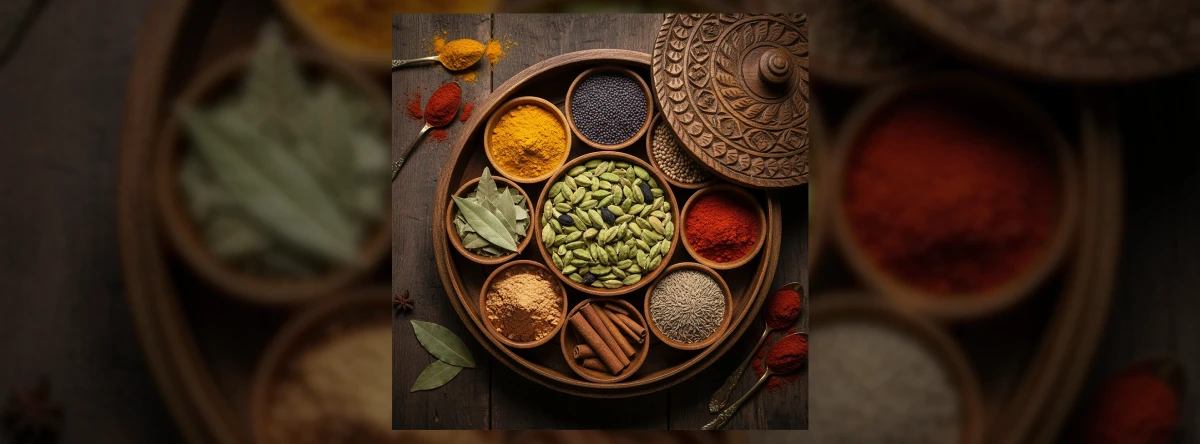
The Masala Dabba
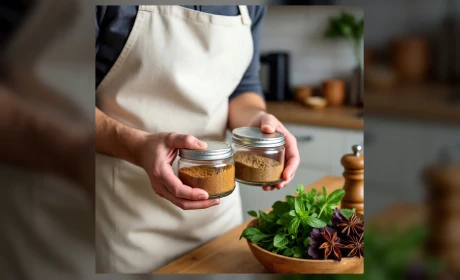
Just as no meal is complete without spices, no Indian kitchen is truly complete without a Masala Dabba (spice box). This iconic container with multiple compartments holds the heart of Indian cooking. Here are the top 10 Indian spices every kitchen should have:
1. Cardamom (Elaichi)
Cardamom, also known as the Queen of Spices, is loved for its sweet, fragrant profile. It comes in two main types: green and black. Green cardamom is more commonly used, especially in desserts, masala chai, and biryanis. Black cardamom has a smoky, bold flavour that enhances meaty curries and rich gravies.
2. Clove (Laung)
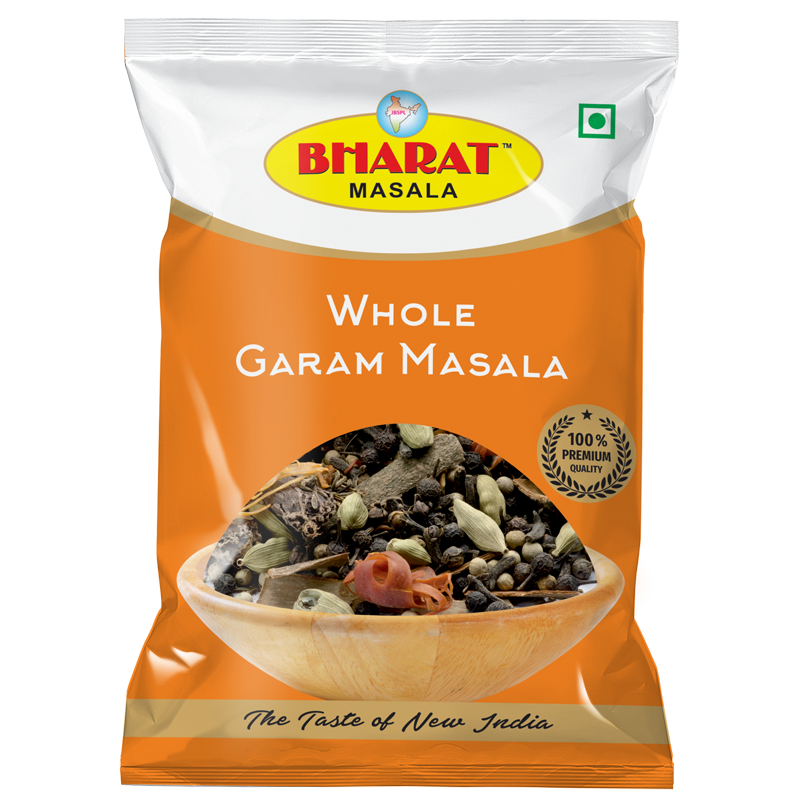
Cloves offer a bold, pungent flavour with subtle sweetness. Used whole or ground, they enhance marinades, biryanis, and stews with depth and warmth. Cloves are essential in garam masala and festive desserts, adding richness to both everyday and celebratory meals.
3. Turmeric (Haldi)
Turmeric is instantly recognisable for its vibrant yellow colour and earthy undertones. A staple in every Indian kitchen, it is celebrated for its powerful anti-inflammatory and antioxidant properties. Use turmeric to enhance the colour and flavour of curries, soups, rice, and marinades. It’s often added to lentils and vegetables to boost both nutrition and visual appeal.
4. Cumin (Jeera)
Cumin seeds have a warm, nutty flavour with subtle citrus notes. Usually tempered in hot oil at the beginning of cooking, cumin releases a strong aroma that forms the flavour foundation for many Indian dishes. It’s an essential ingredient in spice blends like garam masala and pairs well with dals, rice, vegetables, and meats.
5. Mustard Seeds (Rai)
Indian cooking primarily uses black and brown mustard seeds for their sharp, nutty flavour. When heated in oil, they pop and release a distinct aroma. Mustard seeds are key in pickles, spice blends, lentil dishes, and vegetable preparations, adding a deep, traditional taste.
6. Coriander (Dhaniya)
Both coriander seeds and fresh leaves play a crucial role in Indian cuisine. The seeds offer a mild, lemony sweetness, while the leaves provide freshness and brightness. Ground coriander is ideal for curries and stews, while fresh coriander is commonly used in garnishes, chutneys, and sauces.
7. Cinnamon (Dalchini)
Dalchini is cherished for its sweet warmth and woody aroma. Cinnamon sticks are commonly used in rice dishes, meat curries, and marinades, while ground cinnamon features in spice blends and desserts. It complements both sweet and savoury dishes beautifully.
8. Red Chilli Powder (Lal Mirch)
Made from dried red chillies, red chilli powder is the fiery heart of Indian cuisine. The heat level varies depending on the variety used. It is a key ingredient in curries, sauces, and pickles. Use it mindfully to balance spiciness and add vibrant colour and bold flavour.
9. Asafoetida (Hing)
Asafoetida has a strong, pungent smell in its raw form, but when sautéed in hot oil, it mellows to impart a savoury, umami depth. Commonly used in vegetarian and lentil-based dishes, especially in regions where onions and garlic are avoided, a small pinch goes a long way in enhancing overall flavour.
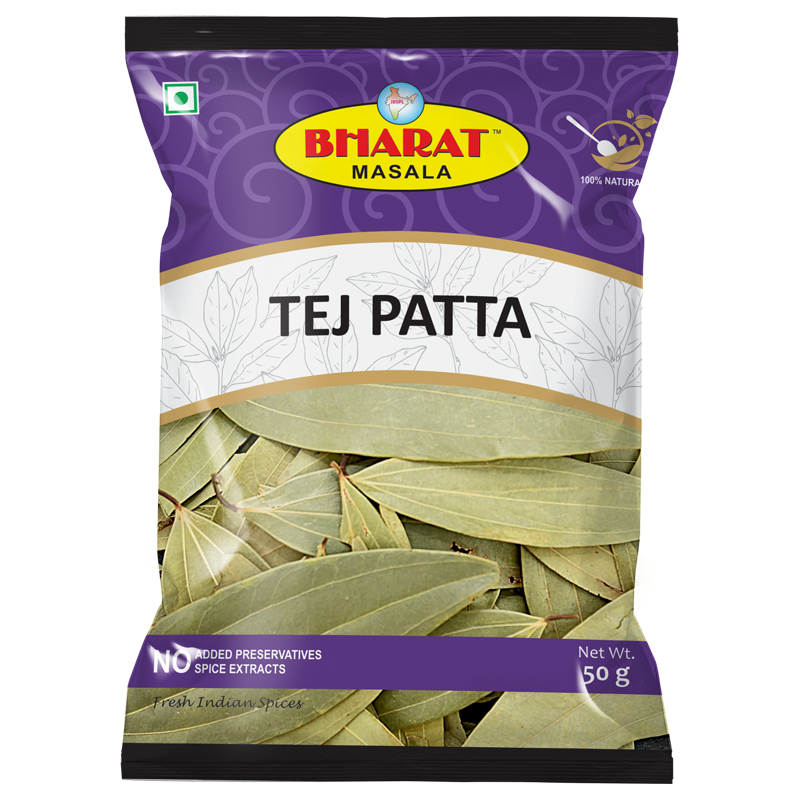
10. Bay Leaves (Tej Patta)
Bay leaves impart a subtle aroma and are widely used whole in curries, pulao, and biryani, adding depth to rice and gravy dishes.
Conclusion
These ten essential spices form the backbone of countless iconic Indian recipes and regional delicacies. By incorporating them into your everyday cooking, you not only embrace tradition but also unlock a wealth of flavour and health benefits.
With these spices in your kitchen, your cooking becomes a canvas of culinary creativity. Explore, combine, and create your own signature dishes inspired by Bharat’s vibrant spice heritage. With every spoonful, you bring the true essence of India to life.